
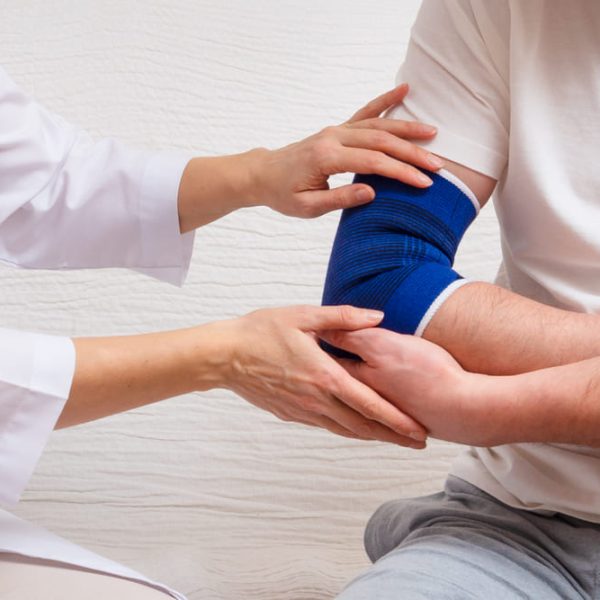
Getting injured is frustrating, especially when you’re used to being active.
Maybe you rolled your ankle during a soccer game. Your knee started bothering you halfway through a run. You felt something pull while lifting at the gym. Or perhaps there wasn’t one obvious moment at all—the discomfort just kept getting worse until you finally had to stop.
Whatever happened, most people eventually arrive at the same question:
When can I get back to my sport or workout?
It’s tempting to use pain as the answer. If it doesn’t hurt anymore, you must be ready, right?
Not always.
Getting back to activity after a sports injury is less about waiting for a particular number of days and more about making sure your body is ready for what you’re asking it to do again.
Walking around without pain is one thing. Running five kilometres, changing direction on a soccer field, lifting a heavy barbell, or playing an hour of tennis is somethi
First, Figure Out What You're Actually Dealing With
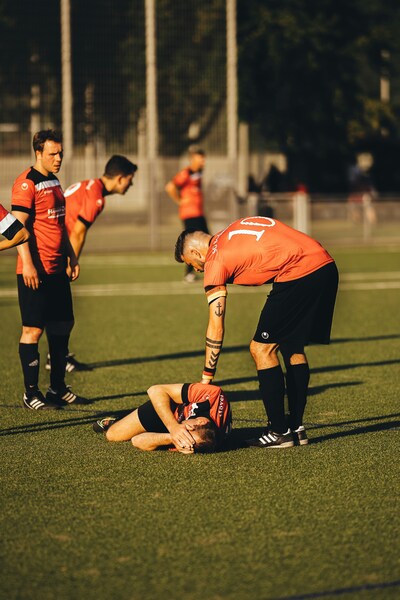
Not every sports injury announces itself dramatically.
Sometimes it’s obvious. You land awkwardly, twist your ankle and immediately know something isn’t right.
Other problems creep up on you.
Your shoulder feels a little sore after a workout. You ignore it. A week later, overhead exercises are uncomfortable. Your knee starts aching near the end of your runs, but feels fine the next morning, so you keep training. Eventually, the discomfort shows up earlier and earlier.
How an injury started can tell you a lot about what needs to happen next.
It also helps to think about what has changed recently. Did you suddenly increase your running distance? Add heavier weights? Start playing a sport again after taking the winter off? Change your training schedule?
Sometimes the injured area is only one piece of the story.
A physiotherapy assessment can help make sense of what’s going on, particularly when pain isn’t improving, keeps returning, or is starting to change the way you move.
And if you’ve had a significant injury, can’t put weight through an arm or leg, notice major swelling or deformity, or are dealing with severe or worsening pain, it’s important to seek appropriate medical attention rather than trying to push through it.
Rest Helps, but Recovery Usually Doesn't End There
When something hurts, the instinct is often to stop using it completely.
For a short period, modifying the activity that’s aggravating an injury can make sense. Trying to run through a painful ankle or repeatedly lifting through shoulder pain isn’t a great recovery strategy.
But neither is spending weeks waiting for everything to magically feel normal again.
As the injury settles, appropriate movement can become an important part of getting back to normal.
That might begin with something very simple: moving a stiff joint more comfortably, walking without favouring one side, or doing basic exercises that don’t aggravate your symptoms.
What you do early in recovery probably won’t look anything like your normal workout.
That’s okay.
The point isn’t to prove that you’re still fit. It’s
Feeling Better and Being Ready Are Two Different Things
This is where a lot of people get caught.
Imagine you’ve taken two weeks off because of knee pain. By the end of the second week, walking feels fine and the knee hasn’t bothered you for several days.
So Saturday morning arrives and you decide to test it with your usual run.
Five kilometres later, the knee hurts again.
It doesn’t necessarily mean you’ve gone all the way back to square one. It may simply mean the jump from everyday activity to your normal training load was too big.
Sports and workouts ask much more of the body than regular daily movement.
A knee that feels perfectly comfortable walking around the grocery store still has to tolerate hundreds or thousands of repeated steps during a run. An ankle that feels fine around the house may respond very differently when you’re jumping or changing direction. A shoulder that doesn’t hurt while getting dressed may not be ready for your previous bench press.
This is why “it doesn’t hurt anymore” shouldn’t be the only test for returning to activity.
Build Back What the Injury Took Away
Time away from an activity can affect more than pain.
You may lose some strength. A joint may become stiff. Your balance may feel different. You might unconsciously favour the uninjured side.
Sometimes you simply stop trusting the injured area.
Recovery should address the things that have actually changed.
For someone with an ankle injury, that could mean working on movement, calf strength and balance before returning to running or court sports.
For someone with a shoulder problem, it may mean gradually rebuilding comfortable movement and strength before loading the shoulder heavily again.
The exercises should also start looking more like the activity you’re trying to return to as you progress.
A runner eventually needs to tolerate running.
A soccer player needs to be comfortable accelerating, stopping and changing direction.
Someone returning to the gym needs to progressively handle resistance again.
You don’t necessarily start there—but that’s where the process should eventually lead.
Don't Go From Zero Straight Back to 100%
One of the easiest mistakes to make after an injury is returning at exactly the level you left.
If you ran 20 kilometres a week before getting injured, you don’t necessarily need to start back at 20.
If you were lifting a particular weight before your shoulder started hurting, that number doesn’t need to be your first workout back.
Your previous workload is a destination, not necessarily your starting point.
A runner might begin with shorter distances or walk-run intervals. Someone returning to the gym might use lighter resistance or fewer sets. A recreational athlete may start with part of a practice before playing an entire game.
Then see what happens.
How did you feel during the activity? A few hours later? The following morning?
Your body’s response gives you useful information about whether that amount of activity was manageable or whether you need to adjust.
Progress doesn’t have to happen perfectly every week either. Some days will feel better than others.
The overall direction matters more.
Pay Attention to the Rest of Your Body Too
If you’ve spent several weeks protecting one side, you may have picked up a few new habits without realizing it.
Maybe you’re shifting more weight onto your other leg. Perhaps you’re avoiding reaching with one arm. You might be walking differently because you’re still cautious about your ankle.
Your overall fitness may have changed too.
This is another reason returning gradually makes sense. Even when the original injury is improving, the rest of your body may need some time to get used to your normal workload again.
You don’t need to obsess over every small difference in movement. But if you’re noticeably favouring one side or something still doesn’t feel right, it’s worth addressing before you start increasing the intensity of your activity.
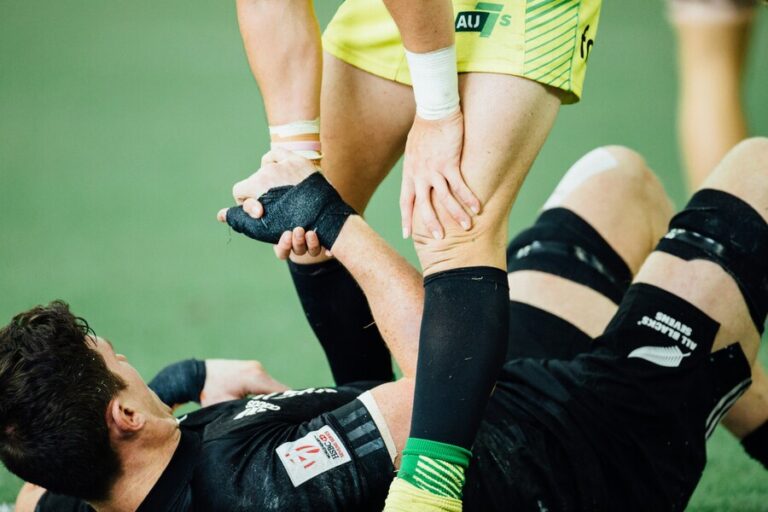
What About the Fear of Getting Injured Again?
This part of recovery doesn’t get talked about enough.
Your body may be improving, but your brain still remembers exactly what happened.
The first time you run after a knee injury, you might pay attention to every step. After an ankle sprain, you may hesitate before changing direction. If you hurt your back while lifting, picking up a heavy weight again can feel very different—even when you’ve been told you’re ready.
That hesitation is understandable.
Confidence tends to come back by gradually doing more and seeing that your body can handle it.
That’s another benefit of progressing exercises over time. You’re not suddenly going from a controlled rehabilitation setting to a full game or heavy workout. You get opportunities along the way to test movements and rebuild trust in the injured area.
So, How Do You Know When You’re Ready?
There isn’t one checklist that works for every injury or every sport.
But instead of asking only “Does it still hurt?”, consider a few bigger questions.
Can you move the injured area comfortably? Has your strength improved? Can you perform the movements your sport requires? Can you repeat them without your form falling apart? How does the area respond later that day and the next morning?
And perhaps most importantly: are you ready for the actual demands of your activity?
Someone returning to a casual weekend bike ride doesn’t need the same preparation as someone returning to competitive soccer. A recreational runner and a powerlifter may both be recovering from knee pain, but what their knees need to tolerate is completely different.
That’s why return-to-sport decisions should be individual.
Where Physiotherapy Fits Into Sports Injury Recovery
You don’t necessarily need physiotherapy every time you’re sore after exercising.
But when an injury isn’t settling, keeps coming back, limits your movement, or leaves you unsure about how to return to activity, an assessment can give you a clearer direction.
At Crystal Physio in Mississauga, physiotherapy for sports injuries isn’t only about getting the painful area to feel better.
The bigger goal is getting you back to what you actually want to do.
That may involve improving movement, rebuilding strength, working on balance or control, gradually increasing exercise, and eventually preparing your body for the specific demands of your sport or activity.
Because “recovered” means something different for everyone.
For one person, it’s being able to walk comfortably again. For another, it’s getting through a full workout. For someone else, it’s being back on the field without thinking about the injury every time they move.
Give Yourself a Better Route Back
It’s easy to think of sports injury recovery as two stages:
Injured → recovered.
In reality, there’s usually quite a bit in between.
You settle the initial problem. You start moving again. You rebuild what you’ve lost. You test a little more activity. You see how your body responds. Then you gradually work your way back toward normal.
There may be a few frustrating days along the way, but that doesn’t mean the process isn’t working.
The goal isn’t simply to get back as quickly as possible. It’s to return with enough strength, movement and confidence to actually enjoy being active again.
If a sports injury is keeping you on the sidelines or you’re not sure how to safely get back to your usual activity, Crystal Physio offers physiotherapy in Mississauga to help you work through recovery and build your way back to movement, exercise and sport.